
In the realm of digital marketing, Search Engine Optimization (SEO) encompasses various strategies, both on and off your website. While on-page SEO focuses on elements within your site, such as content and HTML tags, off-page SEO is equally crucial. It involves all the activities that occur outside your website but impact its ranking on search engine results pages (SERPs). This guide will delve into what off-page SEO is, why it matters, and effective strategies to enhance your website’s authority and visibility.
What is Off-Page SEO?
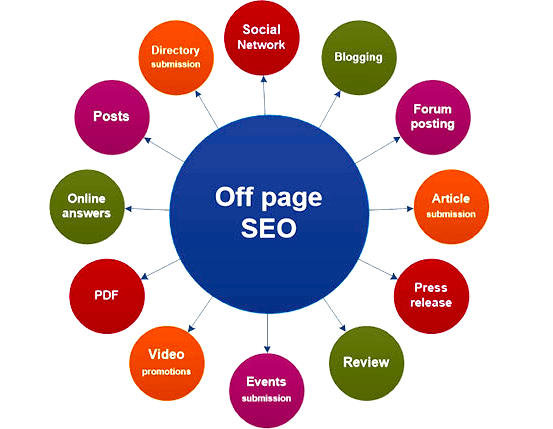
Off-page SEO refers to the actions taken outside of your website to influence its ranking on search engines. This primarily involves building backlinks, which are links from other websites to yours. Search engines view backlinks as a vote of confidence; the more quality backlinks you have, the more trustworthy your site appears. However, off-page SEO goes beyond just backlinks—it includes social media engagement, influencer outreach, and brand mentions.
Why Off-Page SEO Matters
Off-page SEO is crucial for several reasons:
- Increases Domain Authority: Backlinks from reputable sources signal to search engines that your site is credible, increasing your domain authority and improving rankings.
- Enhances Brand Awareness: Effective off-page strategies can help you reach a broader audience and build brand recognition through social shares and mentions.
- Drives Referral Traffic: Backlinks from high-traffic sites can drive referral traffic to your website, increasing the chances of conversions.
- Improves Search Rankings: Search engines prioritize websites with strong off-page SEO, making it essential for maintaining and improving your rankings.
Key Strategies for Off-Page SEO
To effectively implement off-page SEO, consider the following strategies:
1. Link Building
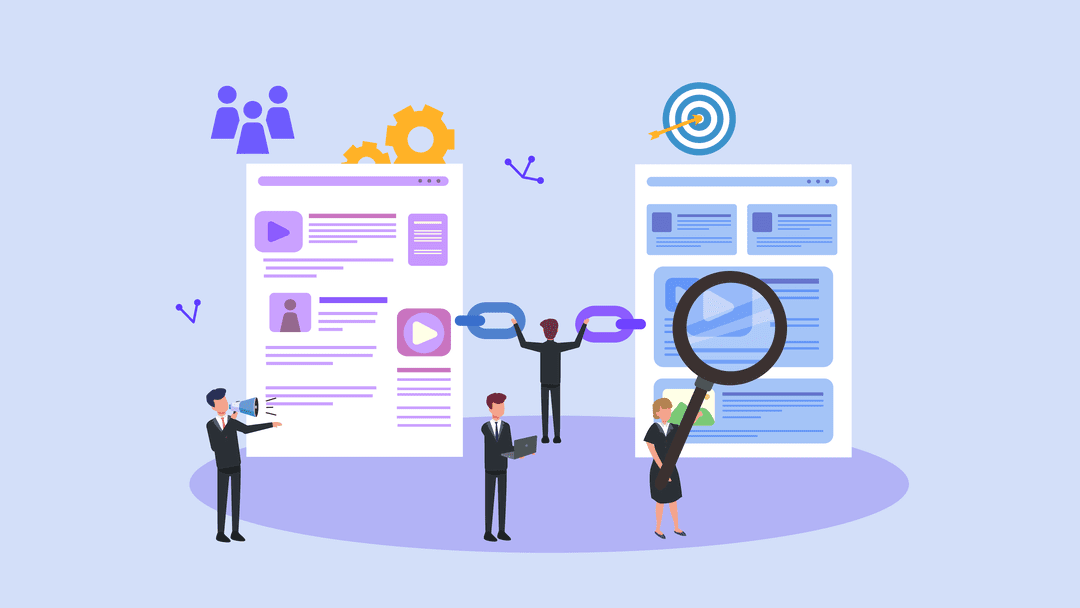
Link building is the process of acquiring backlinks from other websites. Here are some effective link-building strategies:
- Guest Blogging: Write high-quality guest posts for reputable websites in your niche. Include a link back to your site in your author bio or within the content.
- Broken Link Building: Identify broken links on other websites and reach out to the site owners with a suggestion to replace the broken link with a link to your relevant content.
- Resource Pages: Find resource pages in your industry and propose your content as a valuable addition to their list.
2. Social Media Engagement

Social media platforms are vital for enhancing your online presence and driving traffic. Here’s how to leverage them:
- Share Valuable Content: Regularly post your blog articles, infographics, and other content on social media platforms to engage your audience and encourage shares.
- Engage with Your Audience: Respond to comments, messages, and mentions on social media. Building relationships with your audience can lead to shares and backlinks.
- Collaborate with Influencers: Partnering with influencers in your niche can amplify your reach. They can promote your content to their audience, increasing your visibility and credibility.
3. Online Reputation Management

Your online reputation can significantly impact your off-page SEO. Here are steps to manage it effectively:
- Encourage Reviews: Request satisfied customers to leave positive reviews on platforms like Google My Business, Yelp, and Trustpilot. Positive reviews can enhance your credibility.
- Monitor Mentions: Use tools like Google Alerts or Mention to track when your brand is mentioned online. Responding to both positive and negative mentions can improve your reputation.
- Participate in Online Communities: Engage in forums and online communities related to your niche (e.g., Reddit, Quora). Provide helpful insights and link back to your content when relevant.
4. Brand Mentions

Brand mentions are references to your brand that do not include a hyperlink. While they may not directly impact SEO, they contribute to your online presence:
- Create Shareable Content: Develop high-quality, informative, and entertaining content that encourages people to mention your brand on their platforms.
- Engage in PR: Press releases and news articles can lead to brand mentions. Building relationships with journalists and bloggers can result in valuable coverage for your brand.
Measuring Off-Page SEO Success

To evaluate the effectiveness of your off-page SEO efforts, monitor the following metrics:
- Backlink Profile: Use tools like Ahrefs or Moz to analyze your backlink profile. Monitor the quantity and quality of backlinks acquired over time.
- Referral Traffic: Check your Google Analytics to see how much traffic comes from referral sources. A rise in referral traffic indicates successful off-page strategies.
- Domain Authority: Keep track of your domain authority using tools like Moz. An increase in domain authority often correlates with effective off-page SEO efforts.
Conclusion
Off-page SEO is a vital aspect of digital marketing that can significantly enhance your website’s authority, visibility, and overall performance. By implementing effective strategies like link building, social media engagement, and reputation management, you can improve your search engine rankings and drive organic traffic to your site. As you develop your off-page SEO strategy, remember that consistency and quality are key—focus on building meaningful relationships and providing value to your audience.

 Digital Marketing
Leave a comment