In the world of digital marketing, Search Engine Optimization (SEO) is a critical component that helps improve your website’s visibility and ranking on search engines. While off-page SEO focuses on external factors, such as backlinks and social signals, on-page SEO deals with elements within your website. It’s about optimizing your content, structure, and HTML to enhance your site’s relevance and user experience. In this article, we’ll explore the essentials of on-page SEO, why it matters, and effective strategies to implement it.
What is On-Page SEO?
.svg)
On-page SEO refers to the practice of optimizing individual pages on your website to improve their rankings in search results. It involves optimizing content, HTML tags, and other on-site elements to ensure that your pages are relevant to user queries. The goal is to provide high-quality, informative content that satisfies users’ needs while making it easier for search engines to crawl and index your site.
Why On-Page SEO Matters

On-page SEO is crucial for several reasons:
- Improves Search Rankings: Optimizing your pages can help them rank higher in search engine results, increasing visibility and traffic.
- Enhances User Experience: A well-optimized site is easier to navigate and provides valuable content, leading to a better user experience.
- Increases Relevance: On-page SEO ensures that your content is aligned with user search intent, making it more likely that users will find your site useful.
- Boosts Conversion Rates: When your pages are optimized for both search engines and users, it can lead to higher conversion rates, as visitors are more likely to take desired actions.
Key Elements of On-Page SEO
To effectively optimize your pages, consider the following key elements:
1. Title Tags

Title tags are one of the most important on-page SEO elements. They should be descriptive and include your primary keyword, ideally within the first 60 characters. A well-crafted title tag can significantly influence click-through rates.
2. Meta Descriptions
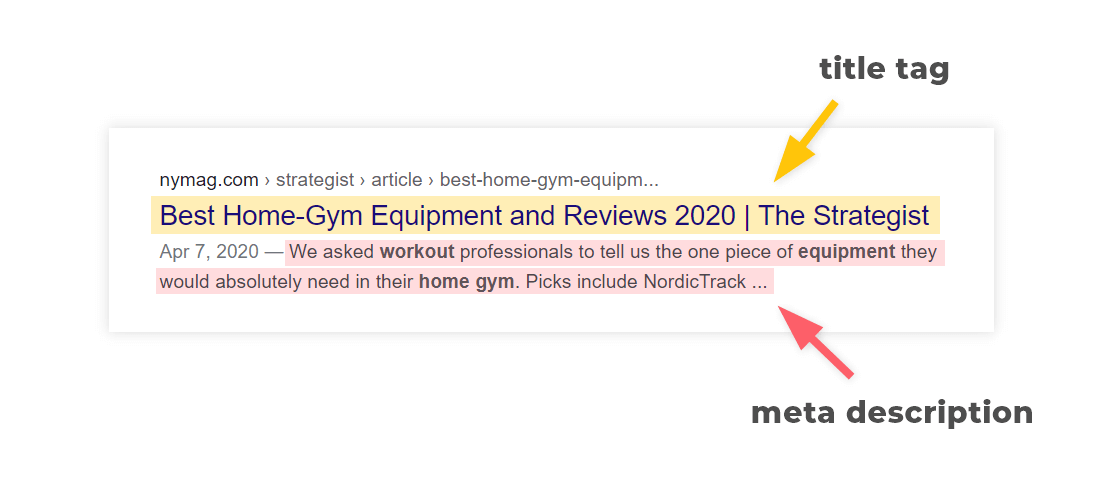
Meta descriptions provide a brief summary of your page’s content and appear below the title in search results. Aim for 150-160 characters, including relevant keywords, and write compelling descriptions that encourage users to click on your link.
3. Header Tags
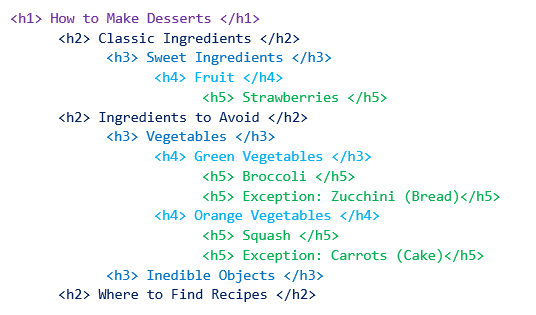
Header tags (H1, H2, H3) help structure your content and improve readability. The H1 tag should include your primary keyword and be used for the main title of the page. Use H2 and H3 tags for subheadings to organize your content effectively.
4. Content Optimization

Creating high-quality, informative, and engaging content is at the heart of on-page SEO. Here are some tips for content optimization:
- Keyword Placement: Naturally incorporate your target keywords throughout the content, including in the first paragraph, headers, and conclusion.
- Content Length: Aim for comprehensive content that thoroughly addresses the topic. Longer content (1,500+ words) tends to rank better, but prioritize quality over quantity.
- Multimedia: Use images, videos, and infographics to enhance your content and make it more engaging. Remember to optimize images with descriptive file names and alt tags.
5. Internal Linking

Internal linking helps search engines understand the structure of your website and the relationship between different pages. Use descriptive anchor text to link relevant content within your site, improving navigation and user experience.
6. URL Structure

Optimize your URL structure to be concise and descriptive. Include your primary keyword in the URL, and use hyphens to separate words. A well-structured URL is more user-friendly and easier for search engines to crawl.
7. Mobile Optimization

With an increasing number of users accessing websites on mobile devices, it’s essential to ensure that your site is mobile-friendly. Use responsive design to provide a seamless experience across all devices.
Best Practices for On-Page SEO

- Perform Regular Audits: Regularly review your website’s on-page elements to identify areas for improvement. Use tools like Google Search Console and SEMrush to analyze performance.
- Stay Updated on SEO Trends: SEO is an ever-evolving field. Keep up with the latest trends and algorithm updates to ensure your strategies remain effective.
- Focus on User Intent: Always create content that addresses the needs and questions of your target audience. Understanding user intent is key to effective on-page optimization.
- Monitor Page Speed: Ensure your website loads quickly, as page speed is a ranking factor. Use tools like Google PageSpeed Insights to identify and fix speed issues.
Conclusion
On-page SEO is a fundamental aspect of digital marketing that can significantly impact your website’s visibility and performance. By optimizing title tags, meta descriptions, content, and other on-page elements, you can improve your search rankings and provide a better user experience. As you refine your on-page SEO strategy, remember that quality content and user satisfaction are paramount to achieving long-term success.

 Digital Marketing
Leave a comment