

In the digital age, where the online marketplace is flooded with content, mastering Search Engine Optimization (SEO) is vital for businesses looking to stand out and attract organic traffic. SEO is the process of enhancing your website’s visibility on search engines like Google, ensuring that your content ranks higher and reaches your target audience effectively. In this article, we will explore the fundamentals of SEO, its importance, key components, and best practices to help you improve your online presence.
What is SEO?
Search Engine Optimization (SEO) involves a series of strategies and techniques aimed at increasing the quantity and quality of traffic to your website through organic search engine results. Unlike paid advertising, SEO focuses on optimizing your website to earn higher rankings on search engine results pages (SERPs) through unpaid methods.

Why is SEO Important?
SEO is critical for several reasons:
- Increased Visibility: The higher your website ranks on SERPs, the more visible it becomes to potential customers. Most users tend to click on the first few results, making it crucial to optimize your site for better rankings.
- Organic Traffic: SEO drives organic traffic to your site, meaning visitors come from search engines without you having to pay for clicks or impressions, leading to cost-effective marketing.
- Credibility and Trust: Websites that rank higher are generally perceived as more credible and trustworthy by users. Implementing effective SEO strategies can enhance your brand’s reputation and authority in your industry.
- Better User Experience: SEO involves optimizing various aspects of your website, including loading speed, mobile responsiveness, and navigation, resulting in a better user experience.
Key Components of SEO
To develop a successful SEO strategy, it’s essential to understand its key components:
1. Keyword Research
Keyword research is the foundation of SEO. It involves identifying the words and phrases your target audience uses to search for information related to your products or services. Tools like Google Keyword Planner and SEMrush can help you find relevant keywords with high search volume and low competition. Focus on long-tail keywords, as they often convert better due to their specificity.

2. On-Page SEO
On-page SEO refers to optimizing individual pages on your website to rank higher and earn relevant traffic. This includes:

- Title Tags: Ensure your title tags are descriptive, include your primary keyword, and are around 50-60 characters long.
- Meta Descriptions: Write compelling meta descriptions (150-160 characters) that summarize your page’s content and include relevant keywords.
- Header Tags: Use header tags (H1, H2, H3) to structure your content and improve readability. Your H1 tag should include the primary keyword.
- Content Optimization: Create high-quality, relevant content that answers users’ queries. Incorporate your keywords naturally throughout the content, maintaining readability.
3. Off-Page SEO
Off-page SEO involves actions taken outside your website to impact your rankings. The primary focus is on building backlinks, which are links from other websites to yours. High-quality backlinks from authoritative sites signal to search engines that your content is valuable. Strategies to acquire backlinks include guest blogging, collaborating with influencers, and creating shareable content.

4. Technical SEO
Technical SEO focuses on optimizing the backend of your website to improve its performance and indexing by search engines. Key elements include:
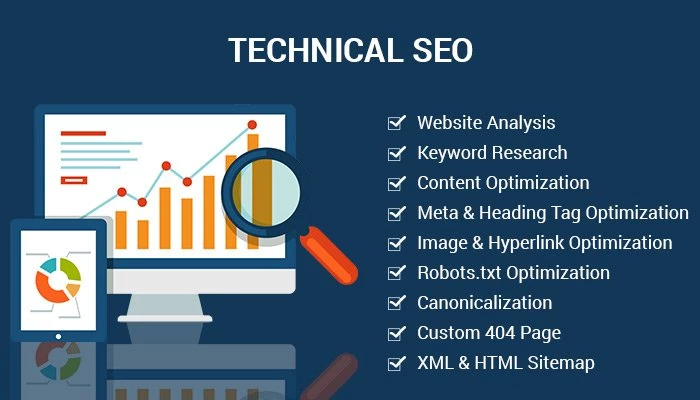
- Site Speed: Ensure your website loads quickly, as page speed is a ranking factor. Use tools like Google PageSpeed Insights to analyze and improve loading times.
- Mobile Responsiveness: With an increasing number of users accessing websites via mobile devices, ensure your site is mobile-friendly.
- XML Sitemap: Create and submit an XML sitemap to search engines to help them crawl and index your site more efficiently.
- SSL Certificate: Secure your website with HTTPS, as search engines prioritize secure sites in rankings.
Best Practices for SEO
- Create Quality Content: Regularly publish informative and engaging content that resonates with your audience. Aim to solve their problems and provide value.
- Optimize for Local SEO: If you have a physical location, optimize your website for local search by creating a Google My Business profile and ensuring your NAP (Name, Address, Phone number) is consistent across platforms.
- Utilize Social Media: Promote your content through social media channels to increase visibility and drive traffic to your website. While social media signals don’t directly impact SEO rankings, they can lead to more backlinks and exposure.
- Monitor Performance: Use tools like Google Analytics and Google Search Console to monitor your website’s performance, track organic traffic, and identify areas for improvement.
Conclusion
Search Engine Optimization (SEO) is an essential component of digital marketing that can significantly impact your online visibility and success. By understanding the fundamentals of SEO, implementing effective strategies, and staying updated on industry trends, you can enhance your website’s performance and attract targeted organic traffic. As you embark on your SEO journey, remember that consistency and patience are key—results take time, but the rewards are well worth the effort.

 Digital Marketing
Leave a comment