
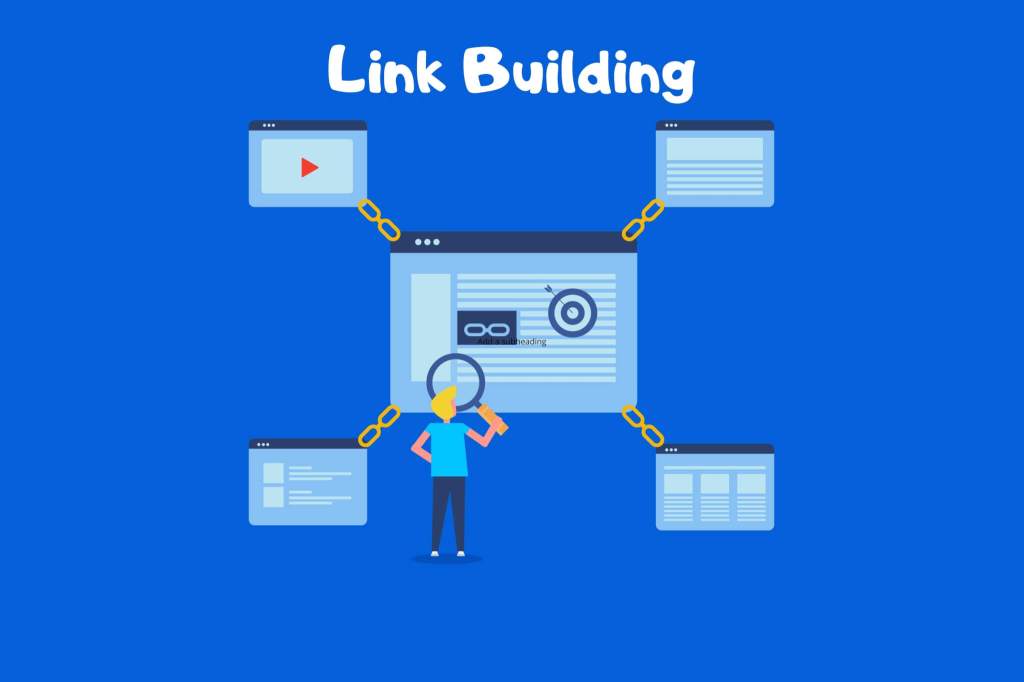
In the world of Search Engine Optimization (SEO), link building is a critical factor for boosting website authority, improving rankings, and driving organic traffic. High-quality backlinks act as endorsements for your website, signaling to search engines that your content is valuable and trustworthy. But how do you build these links effectively? In this blog, we’ll explore actionable link-building strategies to enhance your SEO efforts and achieve sustainable growth.
What is Link Building?
Link building refers to the process of acquiring hyperlinks from other websites to your own. These links help search engines navigate the web and evaluate the relevance and authority of your site. Backlinks are one of the most important ranking factors in SEO, and a robust link-building strategy can significantly impact your website’s performance.
Why is Link Building Important?
- Boosts Domain Authority: Quality backlinks improve your website’s domain authority, making it more likely to rank higher in search results.
- Drives Referral Traffic: Links from reputable sites can bring targeted traffic to your website.
- Builds Credibility: Being linked to by trusted websites increases your credibility and trustworthiness in the eyes of both users and search engines.
- Improves Search Engine Rankings: Backlinks are a key ranking signal for search engines, helping your site gain visibility.
Types of Links in SEO
Before diving into strategies, it’s essential to understand the types of links:
- Natural Links: Earned organically when other sites link to your content without your involvement.
- Manual Links: Acquired through outreach efforts, such as asking for a link.
- Self-Created Links: Added by you, often through comments, forums, or directories (though these can be risky if overused).
Link Building Strategies for Success
1. Create High-Quality Content
Content is the backbone of any link-building strategy. When you create content that is valuable, engaging, and informative, other websites are more likely to link to it. Focus on:
- How-to guides: Provide step-by-step solutions to common problems.
- Original research: Share data, case studies, or industry insights.
- Infographics: Visual content is highly shareable and attracts links.
2. Guest Blogging
Guest blogging involves writing articles for other websites in exchange for a backlink to your site. Choose reputable sites in your niche and focus on providing value to their audience. Avoid low-quality or spammy sites, as these can harm your SEO.
3. Build Relationships with Industry Influencers
Networking with influencers and thought leaders in your industry can lead to link-building opportunities. Engage with their content, share their posts, and collaborate on projects to build a mutually beneficial relationship.
4. Leverage Broken Link Building
Broken link building involves finding broken links on other websites and offering your content as a replacement. Use tools like Ahrefs or Broken Link Checker to identify these links, and reach out to site owners with a polite suggestion.
5. Utilize Resource Pages
Resource pages are collections of links to valuable content on a specific topic. Search for resource pages in your niche and pitch your content as a valuable addition. For example, search for “your topic + resource page” on Google to find opportunities.
6. Create Linkable Assets
Linkable assets are pieces of content specifically designed to attract links. Examples include:
- Ultimate guides
- Interactive tools
- Free templates or checklists These assets should be highly relevant to your target audience and solve a specific problem.
7. Get Listed in Directories
While directory links are less impactful than other methods, getting listed in reputable directories can still provide value. Focus on niche directories or industry-specific listings to avoid spammy sites.
8. Conduct Competitor Analysis
Analyze your competitors’ backlink profiles using tools like SEMrush, Moz, or Ahrefs. Identify where they’re getting their links and look for opportunities to replicate their strategy.
9. Use Testimonials and Reviews
Many companies feature testimonials from their clients on their websites. By providing a genuine testimonial or review, you can often earn a backlink in return.
10. Promote Your Content
Even the best content won’t earn links if no one sees it. Share your content on social media, email newsletters, and online communities to increase its visibility. Outreach campaigns can also help get your content in front of the right audience.
Best Practices for Link Building
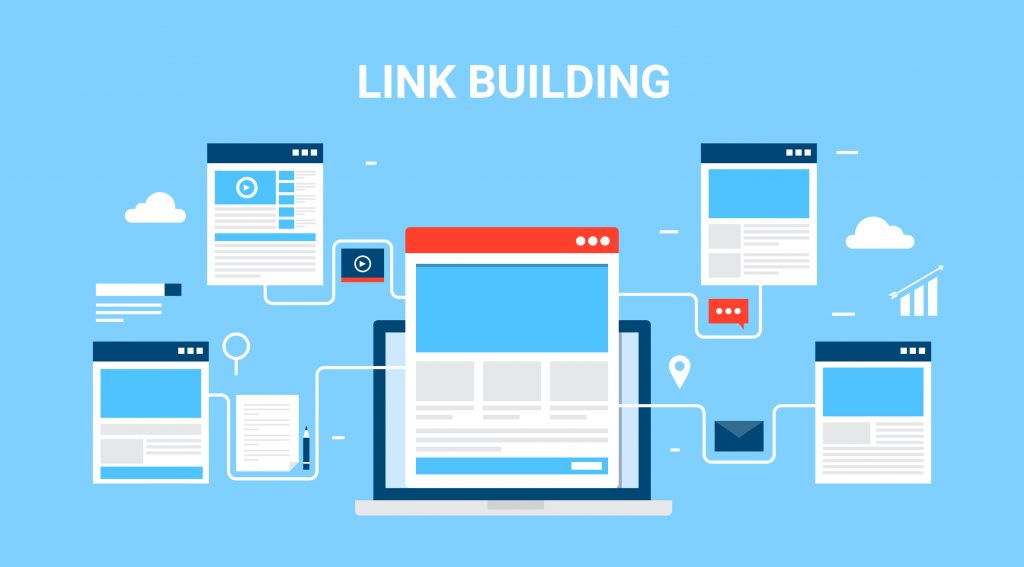
- Focus on Quality Over Quantity: A few high-quality links from authoritative sites are more valuable than dozens of low-quality links.
- Avoid Black Hat Techniques: Practices like buying links or participating in link schemes can lead to penalties from search engines.
- Diversify Your Links: Aim for a natural mix of different link types and sources.
- Monitor Your Backlinks: Regularly check your backlink profile using tools like Google Search Console to ensure the quality of your links.
Tools to Aid Link Building
- Ahrefs: Analyze backlink profiles and find link-building opportunities.
- Moz Link Explorer: Evaluate link metrics and track progress.
- BuzzStream: Manage outreach campaigns and build relationships.
- Hunter.io: Find email addresses for outreach.
Link building is a vital aspect of SEO that requires a strategic approach and consistent effort. By focusing on high-quality content, building genuine relationships, and leveraging the strategies mentioned above, you can create a robust backlink profile that boosts your website’s authority and rankings. Remember, link building isn’t about shortcuts—it’s about providing value and fostering connections in your industry.
Start implementing these strategies today, and watch your website’s SEO performance reach new heights.
 Digital Marketing
Leave a comment